The Earth BioGenome Project
Reading the Library of Life
Harris Lewin
Research Professor
Julie Ann Wrigley Global Futures Laboratory
Arizona State University
Sponsored by PSW Science Member John Cherniavsky
About the Lecture
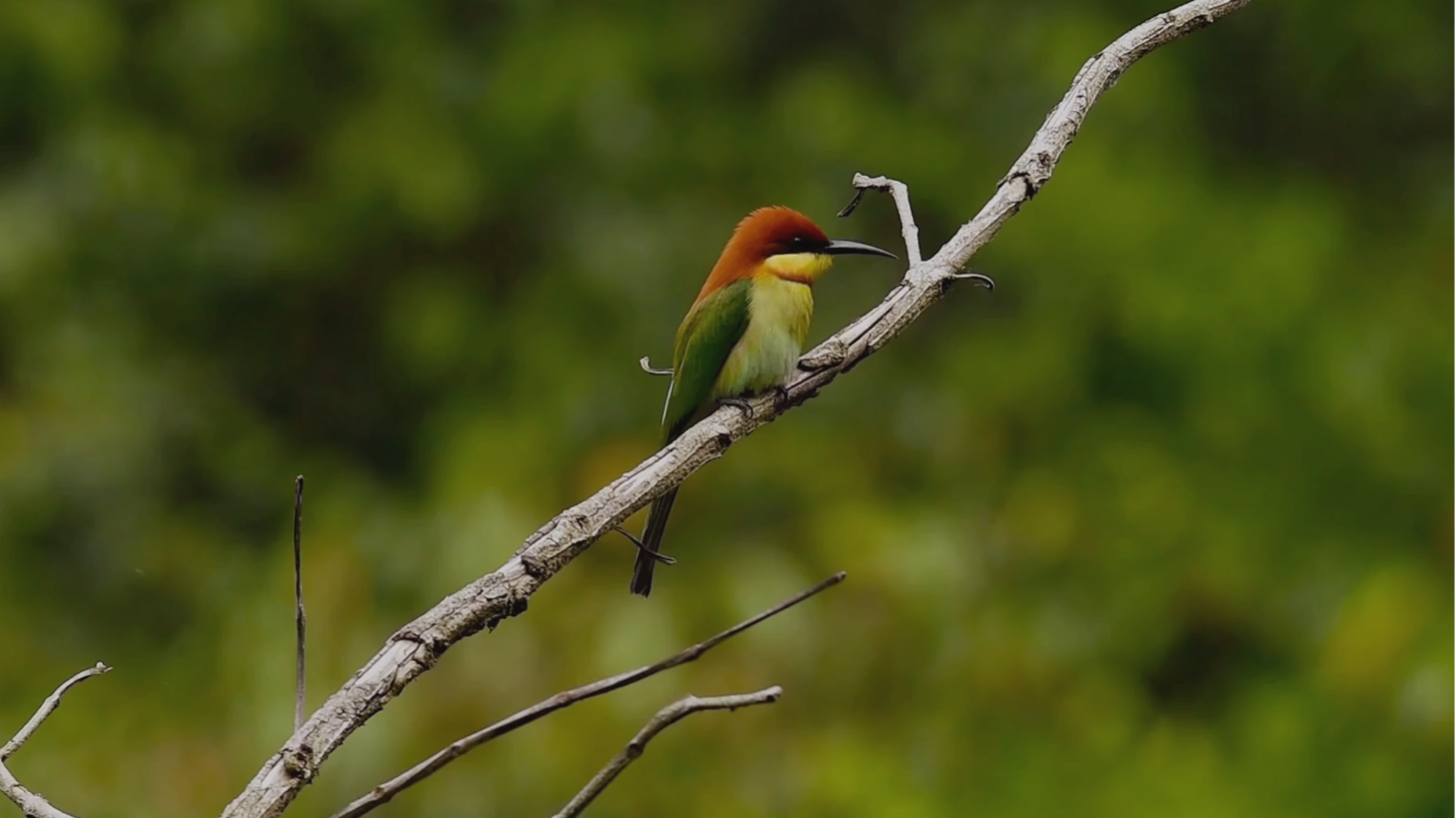
The Earth BioGenome Project (EBP) is a global effort to sequence, catalog, and characterize the genomes of all known eukaryotic species. Since its launch in 2018, the EBP has established an international network of initiatives that, collectively, have generated genome assemblies for more than 5,600 species, with more than 4,000 meeting reference-quality standards. These advances—representing a substantial fraction of the world’s high-quality genome output—have been driven by rapid adoption of shared standards and coordinated global collaboration.
This presentation will highlight recent scientific and technical progress of the EBP, including advances in genome assembly, annotation, and data integration across the eukaryotic Tree of Life. The project’s Phase I goal of producing reference genomes for 10,000 species, representing at least half of all eukaryotic families, is now within reach. Achieving the more ambitious Phase II target of 150,000 genomes will require substantial scaling up of current sequencing and analytical capacity, as well as continued international coordination.
Beyond scale, EBP is transforming our understanding of genome structure and evolution. Chromosome-level assemblies now provide the resolution needed to reconstruct the evolutionary history of genomes across deep time. In mammals, these data have revealed the origins of chromosome number and organization, gene gain and loss, repetitive element dynamics, and higher-order genome structure over approximately 200 million years of evolution.
Equally important, EBP is creating a foundational resource for addressing some of the most pressing challenges of our time. High-quality reference genomes enable more precise conservation strategies by identifying genetic diversity, inbreeding, and adaptive potential in threatened species. They also provide critical infrastructure for the emerging bioeconomy, supporting advances in biotechnology, agriculture, and sustainable resource management. In addition, comprehensive genomic knowledge across species enhances the ability to detect, monitor, and respond to biological threats, contributing to global biodefense and biosurveillance efforts.
The Earth BioGenome Project is creating a foundational genomic resource for life on Earth—transforming how we study, protect, and sustainably use biodiversity, while enhancing capabilities in biodefense and biosurveillance for future generations.
Selected Reading References:
Earth BioGenome Project: Sequencing life for the future of life. https://pubmed.ncbi.nlm.nih.gov/29686065/
The Earth BioGenome Project 2020: Starting the clock. https://pubmed.ncbi.nlm.nih.gov/35042800/
Why sequence all eukaryotes? https://pubmed.ncbi.nlm.nih.gov/35042801/
The Earth BioGenome Project Phase II: illuminating the eukaryotic tree of life. https://pmc.ncbi.nlm.nih.gov/articles/PMC7618684/
Ethical, legal, and social issues in the Earth BioGenome Project. https://pubmed.ncbi.nlm.nih.gov/35042809/
About the Speaker

Harris A. Lewin is chair of the Earth BioGenome Project, an international consortium building high-quality reference genomes for all known eukaryotic species, and Research Professor in the Julie Ann Wrigley Global Futures Laboratory at Arizona State University. Previously, he was Distinguished Professor of Evolution and Ecology and Vice Chancellor for Research at the University of California, Davis. And, before joining UC Davis, he held endowed chairs and directed genomics centers at the University of Illinois at Urbana–Champaign.
Harris’s research focuses on genomics, mammalian genome evolution, comparative genomics, and immunogenetics. His work examines chromosome structure, genome organization, and the genetic basis of adaptation, speciation, and disease. He is particularly known for advancing comparative genomics approaches that link genome architecture to evolutionary processes. In recent years, he has concentrated on biodiversity genomics and global genome sequencing initiatives.
Among other significant work, Harris played a central role in sequencing and analyzing the cattle genome, helping to identify genes of agricultural and biological importance, and advancing understanding of mammalian genome structure. His research has clarified large-scale chromosomal rearrangements across species and their implications for evolution and disease.
Harris is an author on more than 400 peer-reviewed scientific publications spanning genomics, evolutionary biology, and biodiversity research, and he has contributed to many edited volumes and scientific reviews on genomics research.
Among other honors and awards, Harris is a member of the National Academy of Sciences, a Fellow of the American Association for the Advancement of Science, and he was awarded the Wolf Prize in Agriculture for advances in cattle genomics and contributions to animal genetics.
He earned a BS in Animal Science and an MS in Animal Breeding and Genetics at Cornell University, and a PhD in Immunology at UC – Davis.
Social Media
LinkedIn – Earth BioGenome Project
Instagram – @earthbiogenome
X – Earth BioGenome Project
BlueSky – Earth BioGenome Project
YouTube – @earthbiogenomeproject2039
Website – www.earthbiogenome.org
Linktree – https://linktr.ee/earthbiogenomeproject